World of Anterra Download: Game, Demo or Art Bundle?
Find the real World of Anterra download options, distinguish the official itch.io art bundle from a game demo, and check Steam and backer access plans.
On this page
- What can you actually download?
- Reading the itch.io file description correctly
- What the Steam page provides today
- The planned backer demo is a separate build
- Avoid confusing other playtests with Anterra access
- Checking the source of a claimed game file
- Platform compatibility cannot be inferred from an archive
- Why the filename and product description matter
- Recognizing an announcement that changes the answer
- The practical download answer right now
What can you actually download?
The World of Anterra download that can be identified directly in the reviewed official sources is a teaser art bundle. The 81monkeys itch.io page lists a ZIP named WoA Teaser Assets Bundle 1 and describes concept art, a profile avatar, and wallpapers. That makes it real developer-provided promotional material, but not an installer for the RPG.
Meanwhile, the Steam store listing says the game is not yet available and gives a planned 2026 window. A public playable download is therefore not established by the two pages simply because one of them has a download button. The exact date for unrestricted game access remains pending confirmation as of this guide's October 28, 2026 research.
Reading the itch.io file description correctly
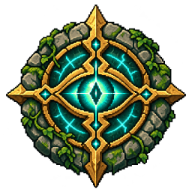
The itch.io project description calls the package Teaser Bundle 1. Its contents include concept art, a high-resolution Dragon Eye profile avatar, and high-resolution desktop and mobile wallpaper. The page's listed file size is 3.4 MB, which describes that specific promotional archive rather than the size of a future game installation.
The download screen uses a name-your-own-price flow and identifies the same ZIP. Payment or an optional contribution does not change the contents into a playable build. Read the filename and package description before deciding what you are obtaining, since a downloadable project page can describe a game while distributing only related promotional material.
What the Steam page provides today
Steam identifies World of Anterra under app 2402470 and credits 81monkeys as developer and publisher. Its current listing provides a wishlist option, gameplay descriptions, languages, features, and Windows requirements. These are useful for checking the correct project, but they do not establish a currently available public installation package.
The store's published storage requirement is 6 GB of available space. That is a system-requirements field, not a measured download size, a preload announcement, or the size of the artwork ZIP. Keeping those numbers attached to their actual products avoids a common mistake in download guides: presenting a requirement as though it were a verified archive size.
The planned backer demo is a separate build
The official FAQ says a backer demo will arrive before the planned Early Access launch in 2026. Its older platform answer states that early demos are planned for PC with controller support. Neither passage establishes a public download for everyone, a specific delivery date, or a detailed eligibility procedure for a particular supporter account.
If you are already a backer, your actual reward documentation and developer delivery messages matter more than a generic download article. This guide does not have access to private account entitlements and has not bypassed restricted campaign posts. A backer-demo promise should therefore stay distinct from a claim that a playable ZIP is currently available without restrictions.
Avoid confusing other playtests with Anterra access
The campaign update archive contains posts explicitly labelled as work-for-hire playtests. Some of those posts are restricted to backers, so their full contents were not available for this research. Their titles alone do not establish a public World of Anterra demo or provide enough information to publish download instructions for one.
The archive also records Trailer 2 and development livestreams. These are public-facing milestones, but video availability is different from executable availability. A guide should not turn a trailer link, a project update, or a supporter-only post title into a game-download button simply because all of them appear under the studio's broader community communication.
Checking the source of a claimed game file
Start by asking which developer page actually links to the file being advertised. The verified chain in this research leads from the studio and game websites to official storefront and campaign pages. A third-party download page using the name or screenshots does not by itself establish that its archive was created or authorised by 81monkeys.
This guide does not label every unknown file malicious without inspecting it. It does mark its identity and authorisation pending confirmation when no official source establishes them. The useful distinction is evidence of what the file contains and who published it, rather than a filename promising full game, mobile version, unlocked build, or another status unsupported by the developer.
Platform compatibility cannot be inferred from an archive
The older platform FAQ names PC, Mac, Nintendo, PlayStation, and Xbox as intended destinations. The currently reviewed Steam requirements describe Windows, while the itch.io ZIP contains artwork rather than platform-specific gameplay. Those facts do not establish playable Mac, Android, iOS, or console downloads in the same archive.
If your goal is Mac access, see the macOS download guide for the difference between a historical Mac plan and a verified native build. For phones, the mobile guide explains why mobile wallpaper is not an Android or iOS release. Each platform needs its own evidence instead of inheriting availability from a general download label.
Why the filename and product description matter
The official itch.io purchase page names a teaser asset ZIP, which is consistent with the main page's description of concept art, an avatar, and wallpapers. That agreement between the product description and the offered file is stronger evidence of what you receive than a search snippet using the broader word download. It also explains why the project's optional payment mechanism should not be interpreted as the purchase price of a playable RPG.
An archive format alone cannot identify a playable platform because both artwork and software can be distributed in archives. The relevant question is whether the developer actually describes a game build and names its supported environment, not whether a filename ends in ZIP. Here the reviewed official description identifies artwork, so this article does not add installation instructions, game settings, or a launcher that the source does not provide.
Recognizing an announcement that changes the answer
A future public demo notice should identify the game, audience, platform, and delivery location together. A backer-only message might answer that question for eligible supporters while leaving the general public without access, and a Steam release notice could concern a different stage again. These distinctions matter because the FAQ describes a sequence of intended releases without establishing that every interested reader can obtain the same file at the same time.
If a new link appears, compare it with the developer's own site, storefront, or dated project update before deciding what it offers. A trailer, wallpaper bundle, outside-project playtest, and full game are distinct products even when they are discussed by the same studio. This page's access status should change only when the evidence identifies an actual playable distribution, rather than when an unofficial page repeats an older plan or labels an unrelated file as a demo.
The practical download answer right now
You can obtain the identified promotional artwork through the developer's itch.io page and follow the future game through Steam. You can also consult the FAQ and campaign communication for the stated backer-demo plan. These are different routes with different purposes, and none should be silently substituted for a publicly playable release.
The remaining download questions are the public launch day, demo delivery, supported playable builds, and their installation instructions. Those details are pending confirmation wherever the reviewed sources do not supply them. The release-date guide and Early Access guide provide the scheduling context without inventing an installer, a key, or an access method that cannot be traced to the developer.
Related pages
World of Anterra Download macOS: Native Build Status
Check World of Anterra download macOS availability, the historical Mac plan, current Windows requirements, and why the teaser ZIP is not a Mac game build.
World of Anterra Is Release in Early Access: Status
World of Anterra is release in early access is a common query; check the official 2026 plan, backer demo sequence, access limits, and unresolved launch details.
World of Anterra Mobile: Android and iOS Status
Check World of Anterra mobile availability, Android and iOS claims, the official wallpaper download, and why earlier studio mobile work is not a port.